
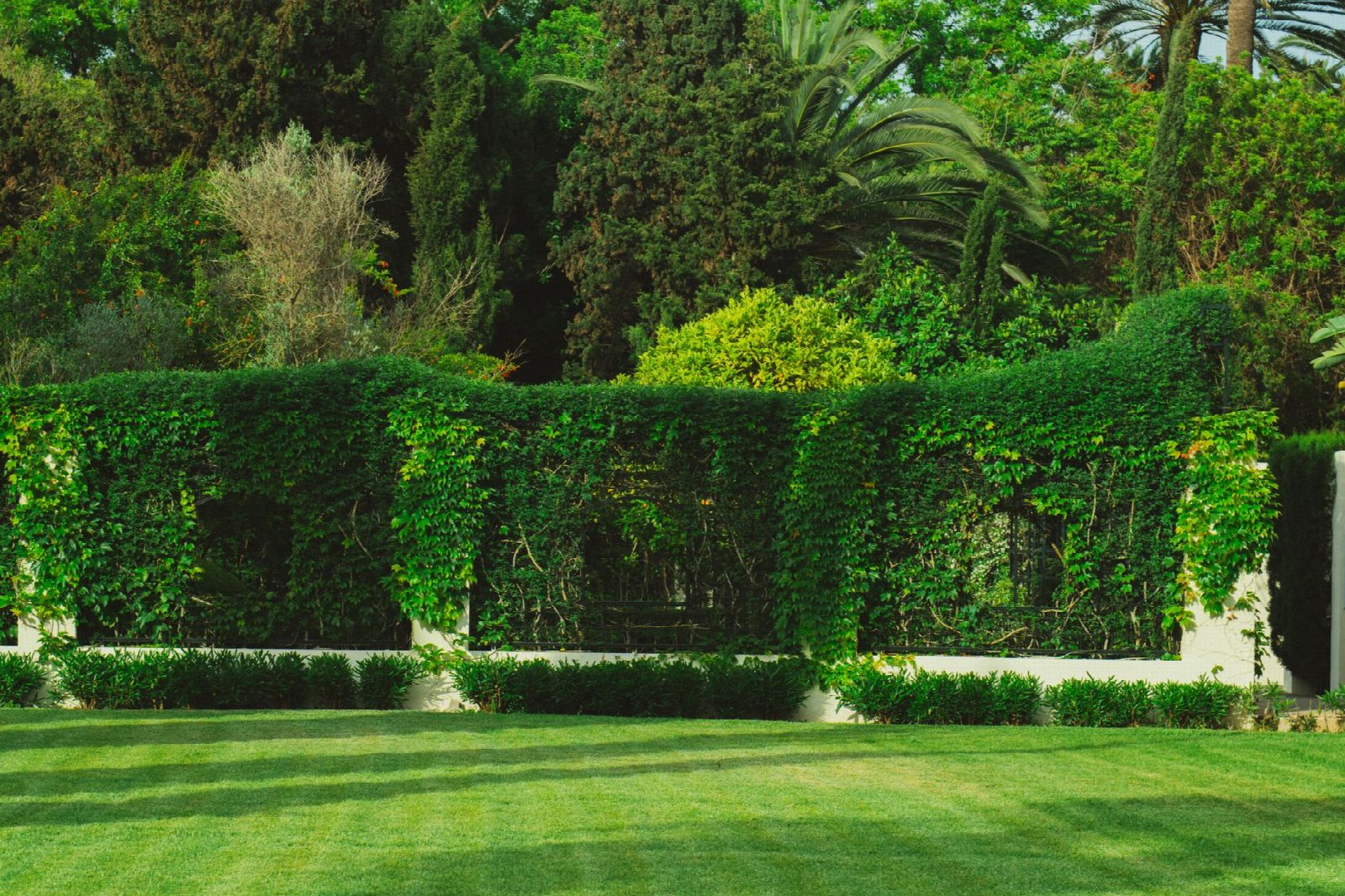
We're Norwich Garden Maintenance, a one person gardening business run by Alex, cutting grass, reseeding bare patches and tidying gardens across Norwich. Plenty of customers mow their own lawn between our visits and ask how to cut a lawn properly so the grass stays thick rather than thin and patchy. Here's how we'd go about it.
How to cut a lawn properly without thinning the grass
The single biggest thing is height. Cutting grass too short weakens it, and once the grass thins, moss and weeds have room to move in. That's the opposite of what most people expect, because a short cut looks tidy for about three days and then the lawn starts to suffer for it.
Set your mower higher than feels right. On a normal back garden lawn in Norwich, somewhere around the middle of the mower's height settings is a sensible place to start. In a dry spell, raise it again. Longer grass shades its own roots and holds moisture, so it copes far better when we don't get rain for a fortnight.
The other rule worth following is to take off no more than about a third of the grass height in one go. If the lawn has got away from you and it's ankle deep, cut it high first, leave it three or four days, then cut again a notch lower. Scalping long grass in one pass leaves yellow stubble and the lawn takes weeks to recover.
Timing your cut
Through the main growing season, most lawns want cutting roughly once a week. In spring and autumn growth slows and you can stretch that out. If you leave it a fortnight in May you'll be cutting a lot of grass off at once, which is exactly the situation that causes scalping.
Try to cut when the grass is dry. Wet grass clumps, blocks the mower, tears rather than cuts cleanly and leaves lumps of cuttings sitting on the lawn that go yellow underneath. If you've no choice, go slower, take a shallower cut and empty the box more often.
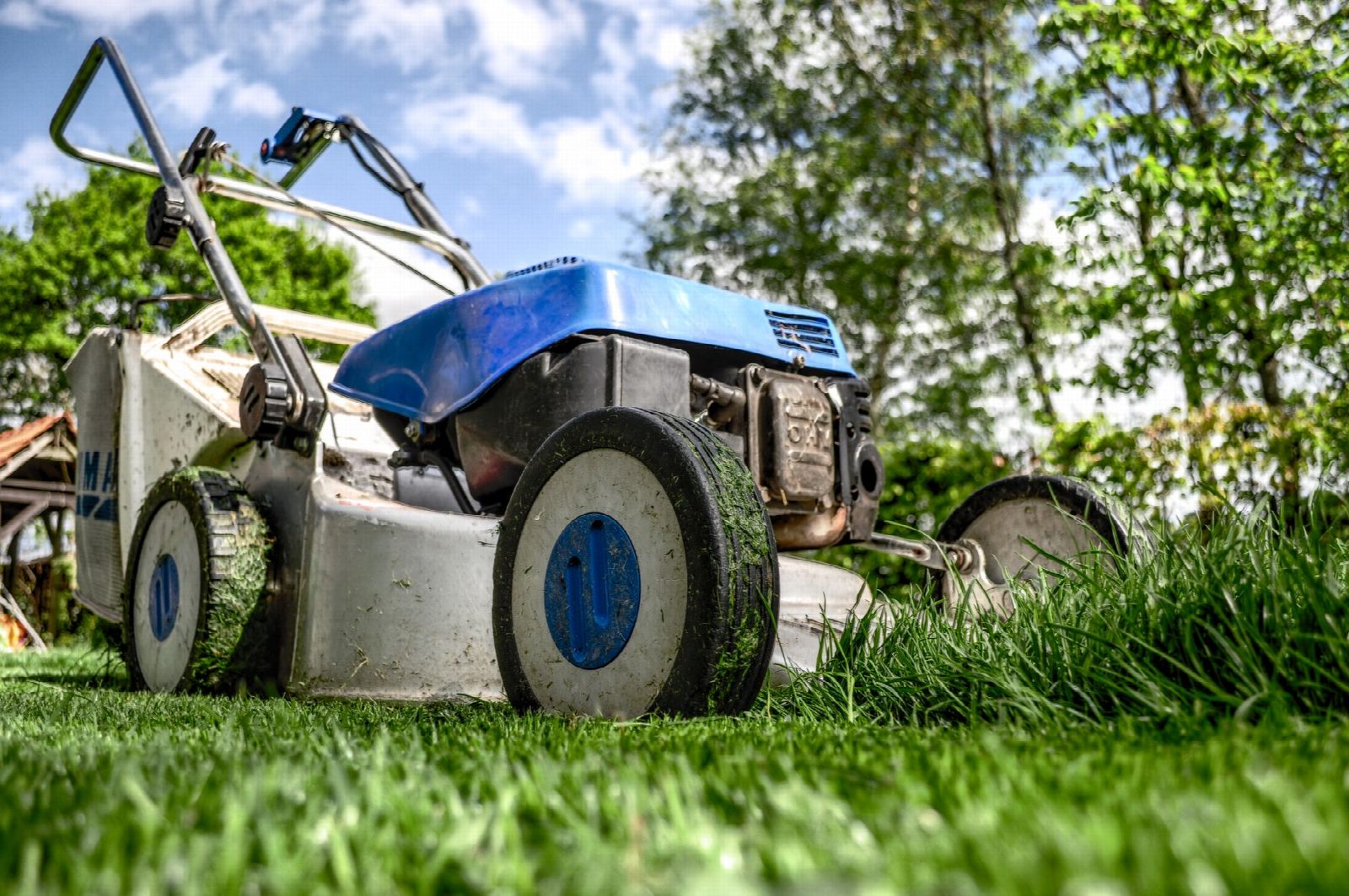
A sharp blade matters more than people think. A blunt blade bruises and tears the grass tips, which go brown and give the lawn a hazy, off colour look a day or two after mowing. If your lawn looks tired the day after a cut rather than crisp, the blade is usually the reason.
Edges, cuttings and the little things that show
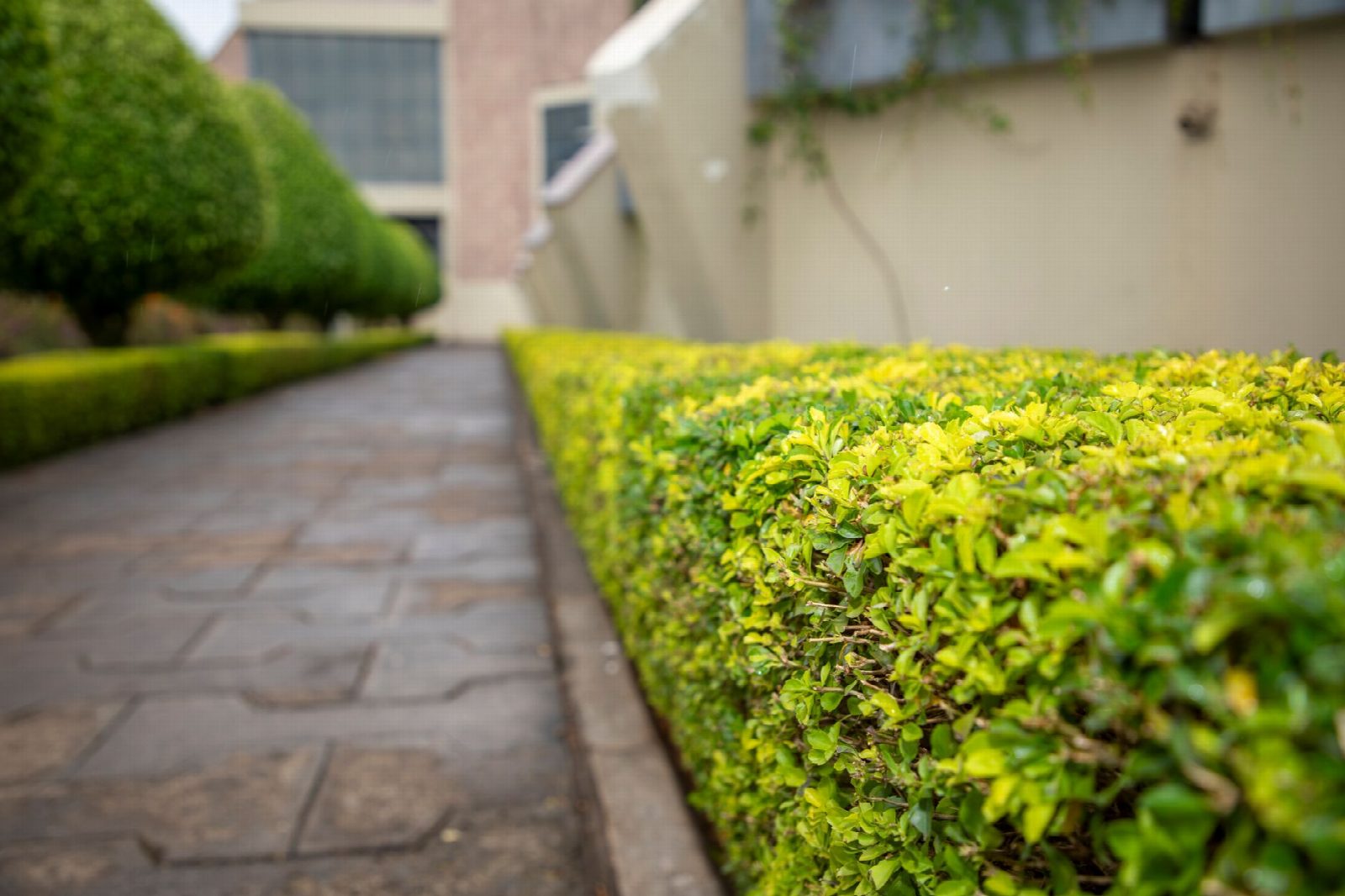
Edges make more difference to how a garden looks than the mowing does. Where the lawn meets beds, paths and paving, a trimmed edge makes the whole thing look deliberate. A strimmer or a pair of long handled shears run round the perimeter after you mow takes a few minutes and changes the finish completely.
Don't strim too low against the lawn edge either. It's easy to shave right down to the soil without noticing, and those bare strips along the edge are a common spot for weeds to establish. Keep the strimmer roughly level with the mowing height.
Clear the cuttings as you go rather than leaving piles. Thin clippings scattered across a lawn aren't a problem and feed the grass back, but a thick layer smothers what's underneath. If you want stripes, mow in straight parallel lines and alternate the direction each time you cut, so you're not always pushing the grass the same way. Varying the direction week to week also stops the grass leaning permanently in one direction.
Looking after seeded patches between visits
If we've reseeded worn patches on your lawn, those areas need different treatment to the rest. Seedlings are fragile, so keep off them, keep furniture and play equipment away, and keep them damp. Seed that dries out before it germinates is simply wasted.
Don't run the mower over seeded patches on your usual cut. Mow round them. The first cut on new grass is best delayed until the seedlings are tall enough to take a light trim, and when that time comes it wants to be a high cut with a sharp blade, not a close one. You can read more about what the job involves on our grass cutting and seeding page.
When mowing alone isn't the answer
Sometimes a lawn stays thin no matter how carefully it's cut. Moss, compaction, deep shade and heavy traffic all hold grass back, and no mowing routine fixes those on its own. Worn paths where everyone walks across the lawn will keep wearing, and a patch that sat under a table all summer will need help coming back.
It's also worth keeping an eye on what's creeping in from the edges. Weeds in the lawn, and weeds coming out of nearby paving joints, spread if they're left. We cover that in our paving cleaning and weed removal work.
If the garden has got beyond a weekly mow, a one off garden tidy up gets everything back to a point where mowing is manageable again, and ongoing garden maintenance keeps it there if you'd rather not do it yourself.
If you'd like us to look at your lawn, send a message with a photo and a rough idea of the size, or call Norwich Garden Maintenance on 07578570856. Every job is priced after Alex has seen the garden, so you know the figure before any work starts.